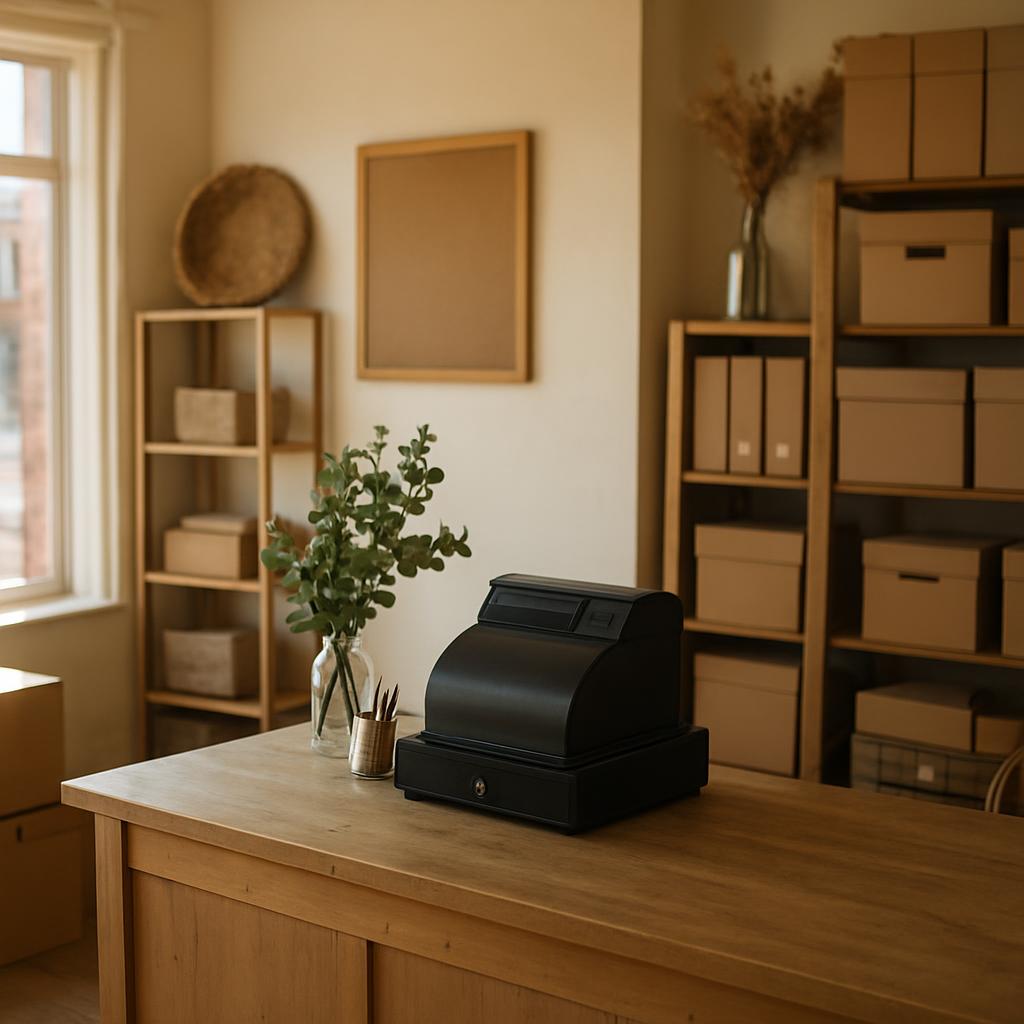
What Tynemouth Businesses Know About Storage
Find Out More →Walk past the Spanish City or along Front Street on a Saturday and you'll notice something: local businesses here don't just throw things in a cupboard and hope. They plan. They think about what they're storing, where it goes, and why. That's not a coincidence — it's survival in a town where space is tight and seasonal trade matters.
The difference between how Tynemouth's shop owners and hospitality staff approach storage and how most homeowners do it is stark. And honestly, the gap isn't about money or resources. It's about method. If you're cramming boxes into your spare room or renting a garage to avoid making decisions, you're missing what the smart business owners around here already figured out.
Why businesses here can't afford to store badly
Tynemouth businesses don't have the luxury of procrastination. A café owner dealing with summer stock, a gift shop managing seasonal inventory, or a tourism business rotating displays — they all need to know exactly what's in storage, where it is, and when they'll need it again. Guessing costs time and money.
Most homeowners treat storage like a black hole. You throw something in, forget about it, and six months later you're not sure if you still own it. Businesses can't do that. They label everything. They keep a simple system. They don't store things 'just in case' without a real plan. That discipline saves them hundreds a year in duplicate purchases and wasted space.
And here's the thing: you don't need to own a shop to benefit from thinking like one. When you're deliberate about what goes into storage — and why — you naturally use less space, spend less, and actually retrieve things when you need them.
How do businesses actually organize their storage?
The pattern is consistent. First, they categorise. Seasonal stock goes together. Display materials go together. Backup supplies go together. Nothing's random. Second, they label clearly — not a scrawl on a cardboard flap, but something they can read months later without squinting. Third, they keep a list. Sometimes it's in a notebook. Sometimes it's on a phone. The format doesn't matter. The habit does.
Most businesses here who use self storage solutions treat it as an extension of their workspace, not a dumping ground. They know what's there. They know why it's there. They know when it's coming out. As a result, they don't waste money on a unit that's 40% full, and they're not paying for storage they've forgotten about.
You can do the same at home. Before you store anything, ask: What is this? When will I use it? Where should it live? And how will I find it again? Those four questions stop you from renting a unit for items you don't actually need.
What's the real lesson for homeowners?
Businesses here aren't smarter than homeowners — they're just more intentional. They have skin in the game. Your skin in the game is your money and your sanity. Every box that goes into storage costs you, whether in rental fees or in the mental weight of stuff you're not using.
Tynemouth's local businesses learned long ago that storage isn't about buying the biggest unit available. It's about using exactly what you need, knowing what's inside, and treating it as temporary — not permanent. Most people reverse that: they rent a big unit, forget what's in it, and keep paying years later.
The practical takeaway: before renting storage, sort what you actually want to keep. Be ruthless. Group it logically. Label it clearly. Write it down. Then rent the smallest unit that fits. Not the biggest one that felt comfortable. That's how businesses do it. That's what works.
How does this apply to your situation?
Maybe you've got loft space that's overflowing. Maybe you're between houses. Maybe you've got seasonal items that need somewhere to live for months at a time — garden furniture for winter, Christmas decorations, sports equipment that's out of season. These are legitimate reasons to use storage.
But the businesses around Tynemouth would tell you: have a plan before you rent. Understanding how local businesses approach storage isn't about copying them exactly. It's about borrowing their clarity. Know what's going in. Know when it's coming out. Know how to find it. And know why you're paying for it.
Self Storage Tynemouth exists to make this easier — to give you a secure, accessible unit that works for your needs, not one that swallows your money because you're not using it properly. But the real work is yours. Sort it first. Plan it second. Then store it.
If you're ready to stop treating storage like a mystery and start using it like the smart people around here do, get in touch with Self Storage Tynemouth. Tell us what you're storing and why. We'll help you find the right space for the right time.
Looking for Self Storage near Tynemouth?
We have secure, flexible units available in the area. Get in touch with Self Storage Tynemouth today.
Find Out More →